What Are the Subtle Signs of Water Damage?
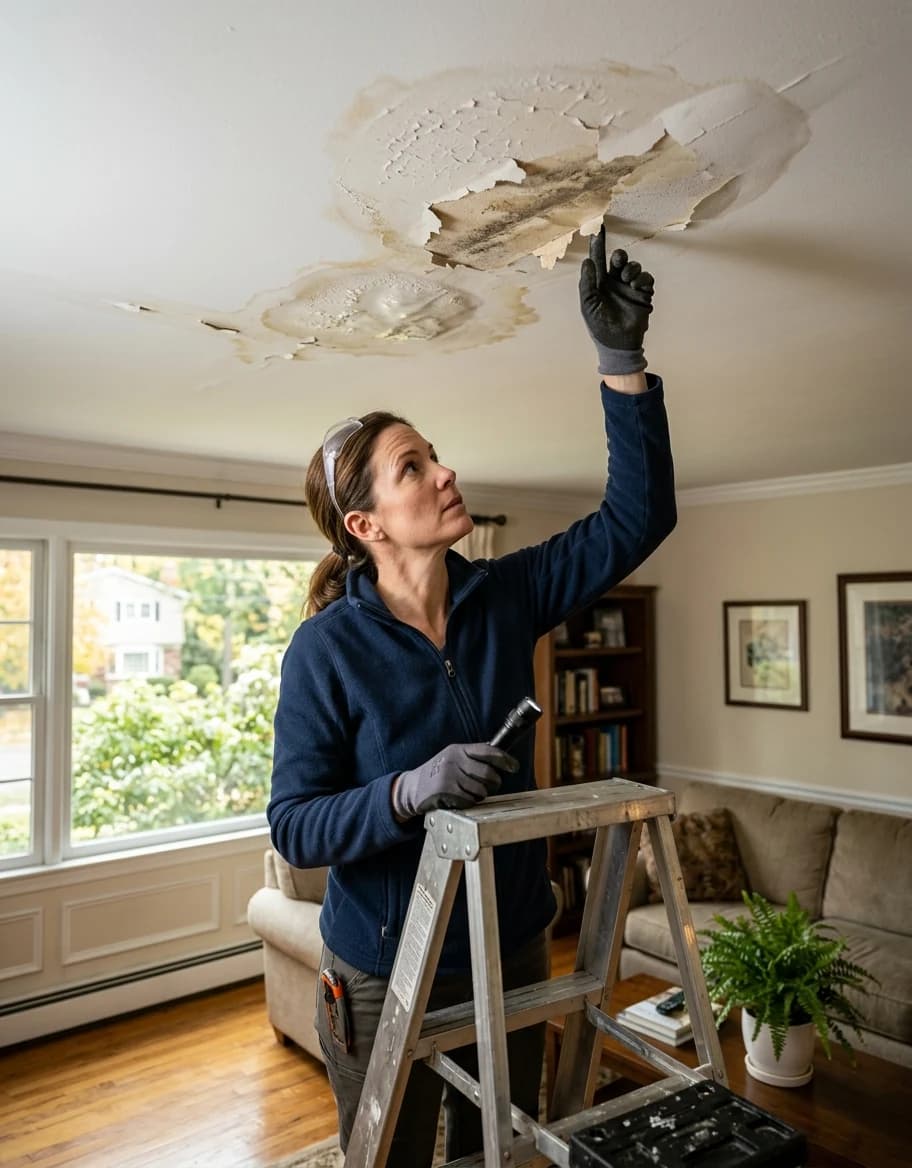
Water damage can often go unnoticed until it becomes a significant problem. As a homeowner in Wyckoff, it's crucial to regularly inspect your property for subtle signs like peeling paint, warped floors, and a musty odor. These indicators can suggest hidden water leaks or moisture issues. Early detection can save you from more extensive damage and costly repairs. Make it a habit to check your home’s vulnerable areas, such as the basement, attic, and areas around windows and doors.
Start with a visual inspection of your walls and ceilings. Look for any discoloration or changes in texture, as these can be early indicators of water intrusion. Pay special attention to corners and edges where walls meet ceilings, as water often collects and seeps into these areas first.
In addition to visual cues, use your sense of smell. Musty or damp odors can be telltale signs of mold growth, which often accompanies water damage. Mold can thrive in hidden spaces, such as behind wallpaper or under carpets, so if you detect a persistent musty smell, consider further investigation.
Another subtle sign is the presence of mold or mildew growth, which can appear as black, green, or white spots on walls, ceilings, or other surfaces. Mold not only indicates water damage but also poses health risks, making it crucial to address promptly.
Regularly inspect your flooring for signs of warping, buckling, or soft spots, particularly in areas prone to moisture like bathrooms and kitchens. These changes can indicate water has penetrated beneath the surface, potentially causing damage to the subfloor and structural components of your home.
Start with a visual inspection of your walls and ceilings. Look for any discoloration or changes in texture, as these can be early indicators of water intrusion. Pay special attention to corners and edges where walls meet ceilings, as water often collects and seeps into these areas first.
In addition to visual cues, use your sense of smell. Musty or damp odors can be telltale signs of mold growth, which often accompanies water damage. Mold can thrive in hidden spaces, such as behind wallpaper or under carpets, so if you detect a persistent musty smell, consider further investigation.
Another subtle sign is the presence of mold or mildew growth, which can appear as black, green, or white spots on walls, ceilings, or other surfaces. Mold not only indicates water damage but also poses health risks, making it crucial to address promptly.
Regularly inspect your flooring for signs of warping, buckling, or soft spots, particularly in areas prone to moisture like bathrooms and kitchens. These changes can indicate water has penetrated beneath the surface, potentially causing damage to the subfloor and structural components of your home.
How Does Water Stain Formation Indicate Damage?
Water stains are one of the most visible signs of water damage. These stains typically appear as yellowish-brown spots on ceilings or walls and can indicate a leak from above, often due to roof or plumbing issues. To address this, firstly identify the source of the leak and fix it to prevent further damage. Consider contacting a professional for a thorough inspection if you can't locate the source yourself. For more assistance, you can reach out to Wyckoff Water Damage Restoration.
When you notice a water stain, it's important to act quickly. Begin by assessing the affected area to determine if the stain is still wet or if it has dried. Wet stains suggest an active leak, while dry stains indicate a past issue that might have been resolved but still requires confirmation.
Inspect the surrounding area for any additional signs of damage, such as peeling paint or wallpaper, sagging ceilings, or warped wood. These can provide clues as to the extent of the water intrusion.
In the case of ceiling stains, check your attic for signs of roof leaks, such as damp insulation, mold, or damaged roofing materials. If the problem appears to stem from plumbing, inspect pipes and fixtures for leaks, corrosion, or loose connections.
Once the source has been identified and repaired, it's important to address the cosmetic damage. This might involve repainting, replacing drywall, or treating areas with mold inhibitors to prevent further growth. Remember, even if a stain appears minor, it can indicate a more serious underlying issue that needs attention.
When you notice a water stain, it's important to act quickly. Begin by assessing the affected area to determine if the stain is still wet or if it has dried. Wet stains suggest an active leak, while dry stains indicate a past issue that might have been resolved but still requires confirmation.
Inspect the surrounding area for any additional signs of damage, such as peeling paint or wallpaper, sagging ceilings, or warped wood. These can provide clues as to the extent of the water intrusion.
In the case of ceiling stains, check your attic for signs of roof leaks, such as damp insulation, mold, or damaged roofing materials. If the problem appears to stem from plumbing, inspect pipes and fixtures for leaks, corrosion, or loose connections.
Once the source has been identified and repaired, it's important to address the cosmetic damage. This might involve repainting, replacing drywall, or treating areas with mold inhibitors to prevent further growth. Remember, even if a stain appears minor, it can indicate a more serious underlying issue that needs attention.
Why Is It Important to Monitor Your Home's Humidity Levels?
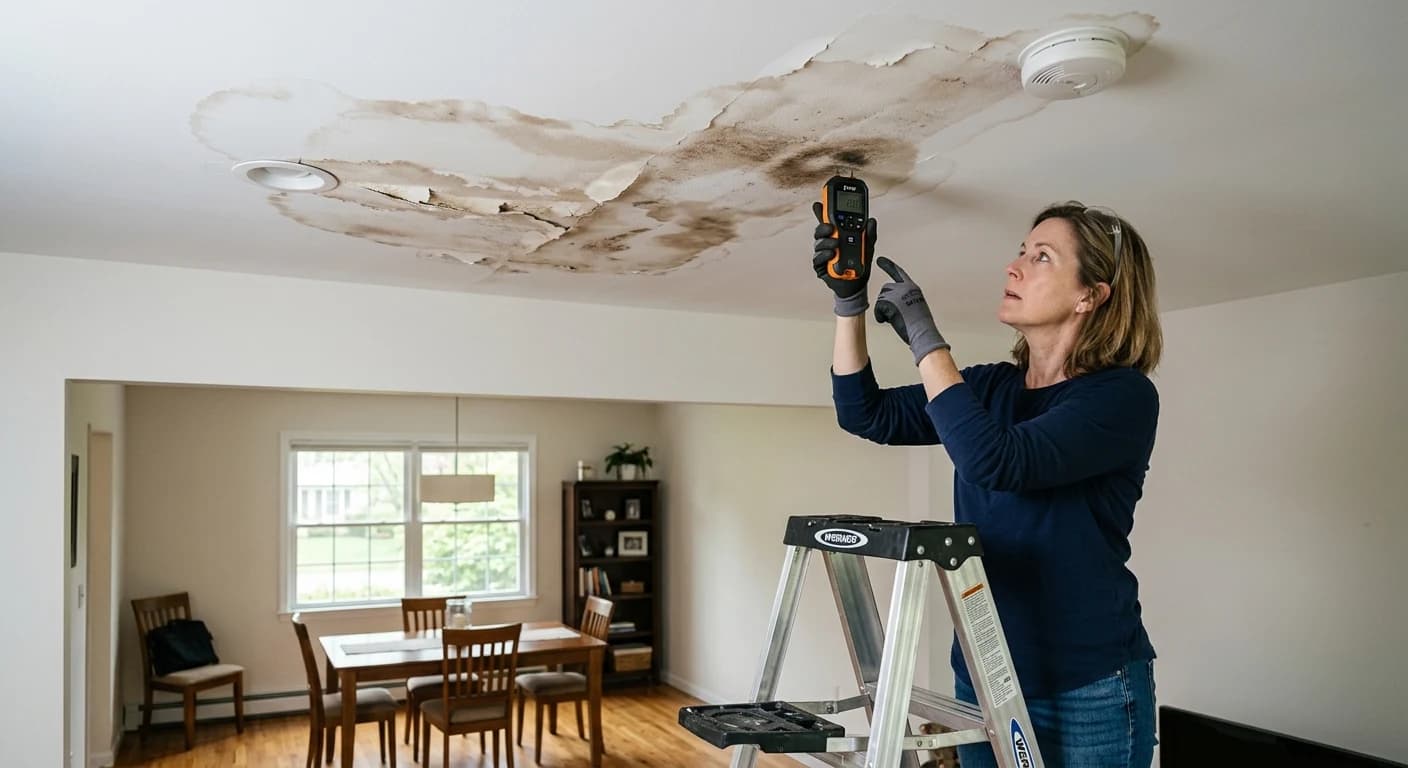
Maintaining proper humidity levels in your home is essential to prevent water damage. High humidity can lead to condensation, which may result in mold growth and structural damage over time. Use a hygrometer to regularly monitor humidity levels, aiming to keep them between 30-50%. If your home's humidity is consistently high, consider using a dehumidifier, especially in moisture-prone areas like basements and bathrooms.
Monitoring humidity is not just about comfort; it’s a proactive measure against potential damage. High indoor humidity can cause moisture to accumulate on cold surfaces, leading to condensation. This is particularly common on windows, pipes, and walls, where it can promote mold growth and deteriorate building materials.
To effectively manage humidity, ensure that your home is well-ventilated. Use exhaust fans in bathrooms and kitchens to expel moisture-laden air. Regularly open windows to allow fresh air circulation, especially after showers or cooking.
For homes with basements, consider installing a sump pump to prevent water accumulation during heavy rains or floods. Additionally, ensure that your home's gutters and downspouts are clean and functional to direct water away from the foundation.
If you live in a particularly humid climate, a whole-house dehumidifier might be a worthwhile investment. These units can help maintain consistent humidity levels throughout your home, protecting against water damage and improving air quality.
Regularly check areas prone to moisture, such as basements, crawl spaces, and attics, for signs of dampness or mold. If you notice persistent humidity issues, it may be beneficial to consult with a professional to identify and rectify any underlying problems.
Monitoring humidity is not just about comfort; it’s a proactive measure against potential damage. High indoor humidity can cause moisture to accumulate on cold surfaces, leading to condensation. This is particularly common on windows, pipes, and walls, where it can promote mold growth and deteriorate building materials.
To effectively manage humidity, ensure that your home is well-ventilated. Use exhaust fans in bathrooms and kitchens to expel moisture-laden air. Regularly open windows to allow fresh air circulation, especially after showers or cooking.
For homes with basements, consider installing a sump pump to prevent water accumulation during heavy rains or floods. Additionally, ensure that your home's gutters and downspouts are clean and functional to direct water away from the foundation.
If you live in a particularly humid climate, a whole-house dehumidifier might be a worthwhile investment. These units can help maintain consistent humidity levels throughout your home, protecting against water damage and improving air quality.
Regularly check areas prone to moisture, such as basements, crawl spaces, and attics, for signs of dampness or mold. If you notice persistent humidity issues, it may be beneficial to consult with a professional to identify and rectify any underlying problems.
How to Effectively Inspect Your Plumbing System for Leaks
Regular plumbing inspections are crucial in detecting early signs of water damage. Start with a thorough examination of all visible plumbing fixtures, including sinks, toilets, and showers. Look for any signs of leakage, such as water pooling around the base or dampness on the surrounding walls and floors. Pay special attention to areas under sinks and around appliances like dishwashers and washing machines, where leaks often go unnoticed.
Check all accessible pipes for corrosion, rust, or mineral deposits, which can indicate a slow leak. Feel the pipes for moisture or condensation, and use a flashlight to inspect hard-to-see areas. If you notice any unusual sounds, such as hissing or dripping, it could be a sign of a hidden leak within the walls or floors.
Don't forget to inspect outdoor plumbing fixtures as well. Check garden hoses, spigots, and irrigation systems for leaks, especially after winter when pipes may have cracked due to freezing temperatures. If your home has a basement, inspect the area where the main water line enters the house, as this is a common spot for leaks.
If you suspect a leak but can't locate it, consider using a water meter test. Turn off all water-using appliances and check your water meter. Wait an hour and check again; if the meter has moved, you likely have a hidden leak. Addressing these issues promptly can prevent extensive water damage and costly repairs.
Check all accessible pipes for corrosion, rust, or mineral deposits, which can indicate a slow leak. Feel the pipes for moisture or condensation, and use a flashlight to inspect hard-to-see areas. If you notice any unusual sounds, such as hissing or dripping, it could be a sign of a hidden leak within the walls or floors.
Don't forget to inspect outdoor plumbing fixtures as well. Check garden hoses, spigots, and irrigation systems for leaks, especially after winter when pipes may have cracked due to freezing temperatures. If your home has a basement, inspect the area where the main water line enters the house, as this is a common spot for leaks.
If you suspect a leak but can't locate it, consider using a water meter test. Turn off all water-using appliances and check your water meter. Wait an hour and check again; if the meter has moved, you likely have a hidden leak. Addressing these issues promptly can prevent extensive water damage and costly repairs.
The Role of Proper Drainage in Preventing Water Damage
Ensuring effective drainage around your home is essential in preventing water damage. Start by inspecting your gutters and downspouts, which should be clean and free of debris. Clogged gutters can cause water to overflow and accumulate near your foundation, leading to potential leaks and structural damage. Make it a routine to clean gutters at least twice a year, especially in areas with heavy foliage.
Downspouts should extend at least three feet away from your home. If they don't, consider adding extensions or splash blocks to direct water away from the foundation. Additionally, ensure that the ground around your home slopes away from the structure. This helps to naturally guide water away, reducing the risk of basement flooding or foundation erosion.
For homes in Wyckoff or similar areas prone to heavy rainfall, installing a French drain or a sump pump can provide extra protection against water accumulation. A French drain can redirect water away from vulnerable areas, while a sump pump can remove water that collects in your basement or crawl space.
Regularly inspect your property for signs of poor drainage, such as pooling water or soggy soil. These can indicate that your current drainage solutions are inadequate. Addressing these issues promptly can prevent water from seeping into your home and causing damage. Consider consulting with a landscaping or drainage professional if you need assistance in assessing and improving your property's drainage system.
Downspouts should extend at least three feet away from your home. If they don't, consider adding extensions or splash blocks to direct water away from the foundation. Additionally, ensure that the ground around your home slopes away from the structure. This helps to naturally guide water away, reducing the risk of basement flooding or foundation erosion.
For homes in Wyckoff or similar areas prone to heavy rainfall, installing a French drain or a sump pump can provide extra protection against water accumulation. A French drain can redirect water away from vulnerable areas, while a sump pump can remove water that collects in your basement or crawl space.
Regularly inspect your property for signs of poor drainage, such as pooling water or soggy soil. These can indicate that your current drainage solutions are inadequate. Addressing these issues promptly can prevent water from seeping into your home and causing damage. Consider consulting with a landscaping or drainage professional if you need assistance in assessing and improving your property's drainage system.